The Case for a Week in One Suite
Moving often looks richer on an itinerary. Staying long enough for the staff, light, and room to become familiar is usually the deeper luxury.
Familiarity is expensive in a good way
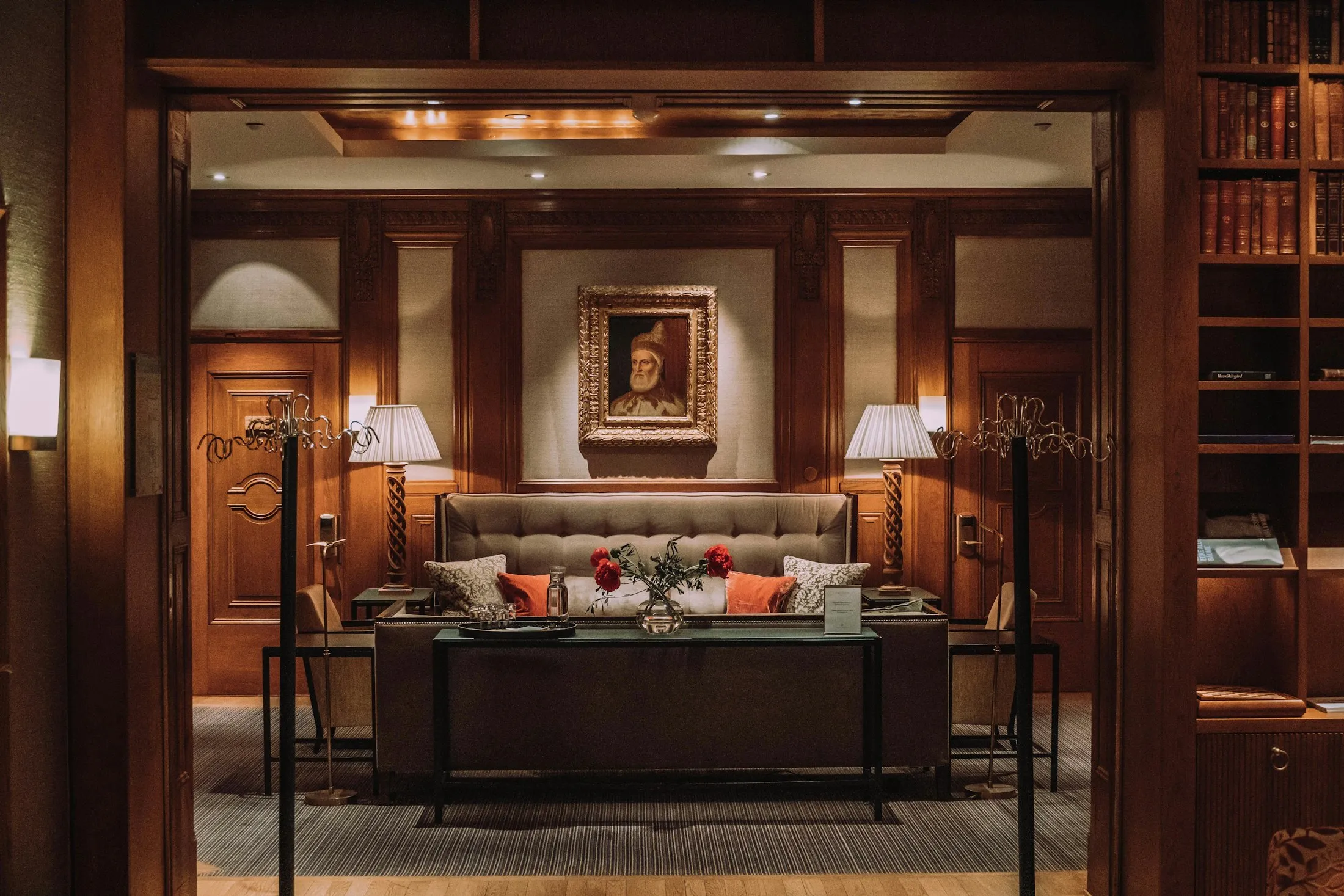
The first night in a suite is orientation. The second is adjustment. The luxury begins when the room stops needing interpretation: which chair gets morning sun, when housekeeping is quietest, what to order after a late swim. A week lets the room become useful.
The economics change
Longer stays often unlock softer rates, resort credits, transfers, laundry, or breakfast inclusions that short stays miss. More importantly, they remove the repeated cost of a trip: packing, tipping a new team, checking in again, and learning another building from the lobby up.
A week in one suite is not a slower holiday. It is the same holiday with the friction taken out of it.
Leah Morgan, on why the itinerary stops improving after the third hotel
Luxury travel can be less busy and more valuable at the same time.
When it works
Choose a suite with enough interior space for bad weather, at least one restaurant you could visit twice, and a location that supports small rituals outside the property.
What earns the seventh night
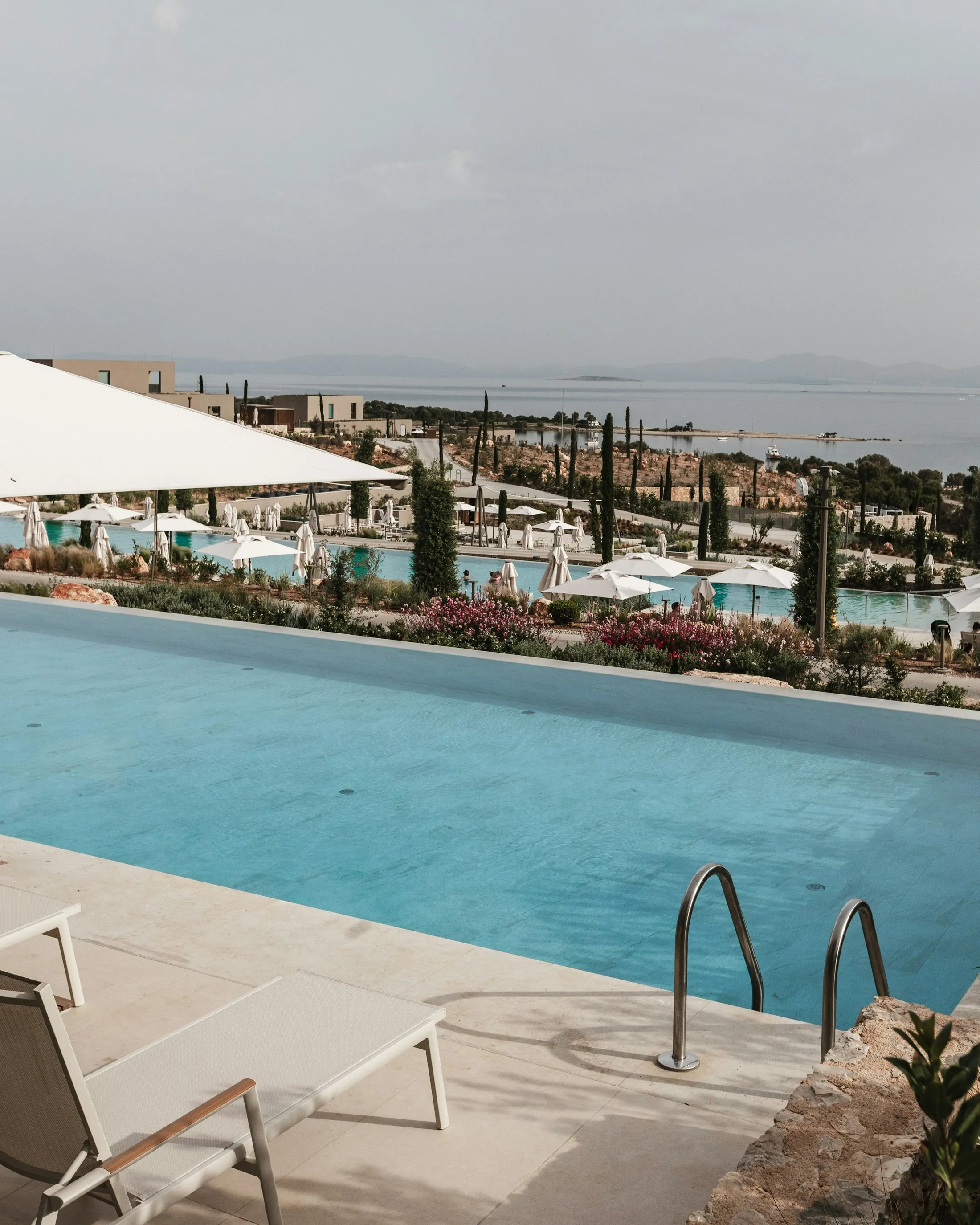
- Interior space that works in rain, not only a terrace — the argument made at length for island resorts.
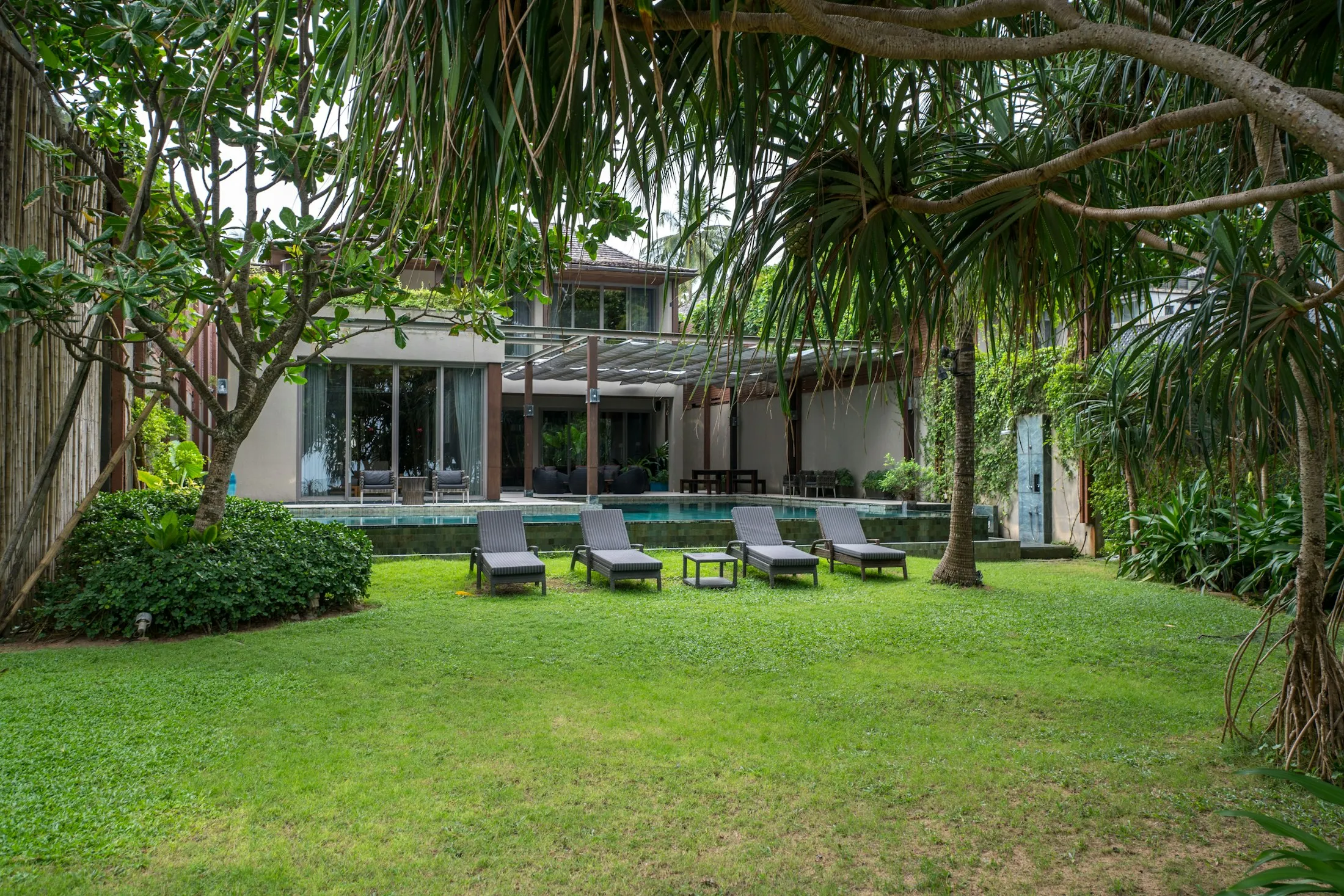
- Privacy you do not have to negotiate daily, which is the whole pool villa checklist.
- A spa you would use twice in a week rather than once for the photograph, so read the menu before booking.
- One walk, one café, one swim you can repeat without planning them.
You are not booking a room for seven nights. You are booking a temporary rhythm.